
Introduction
I remember walking into a small shop where a single CNC lathe hummed like a patient animal—steady, patient, but tired. The shop turned out 120 parts per week, and yet scrap rates hovered near 6%—why waste like that? CNC machining solutions are the obvious fix; they promise tighter tolerances, better toolpath control, and less rework (we all sigh when we see wasted material, lah). I want to share what I saw, the numbers, and a simple question: how do we make these systems actually help small teams hit high quality without burning people out? This short piece will point at real problems, few clean fixes, and a path forward. Let’s move on to where the friction really lives—so we can fix it.
Where the Old Ways Fail (or What Customers Never Say Out Loud)
Why do parts still fail after “optimized” runs?
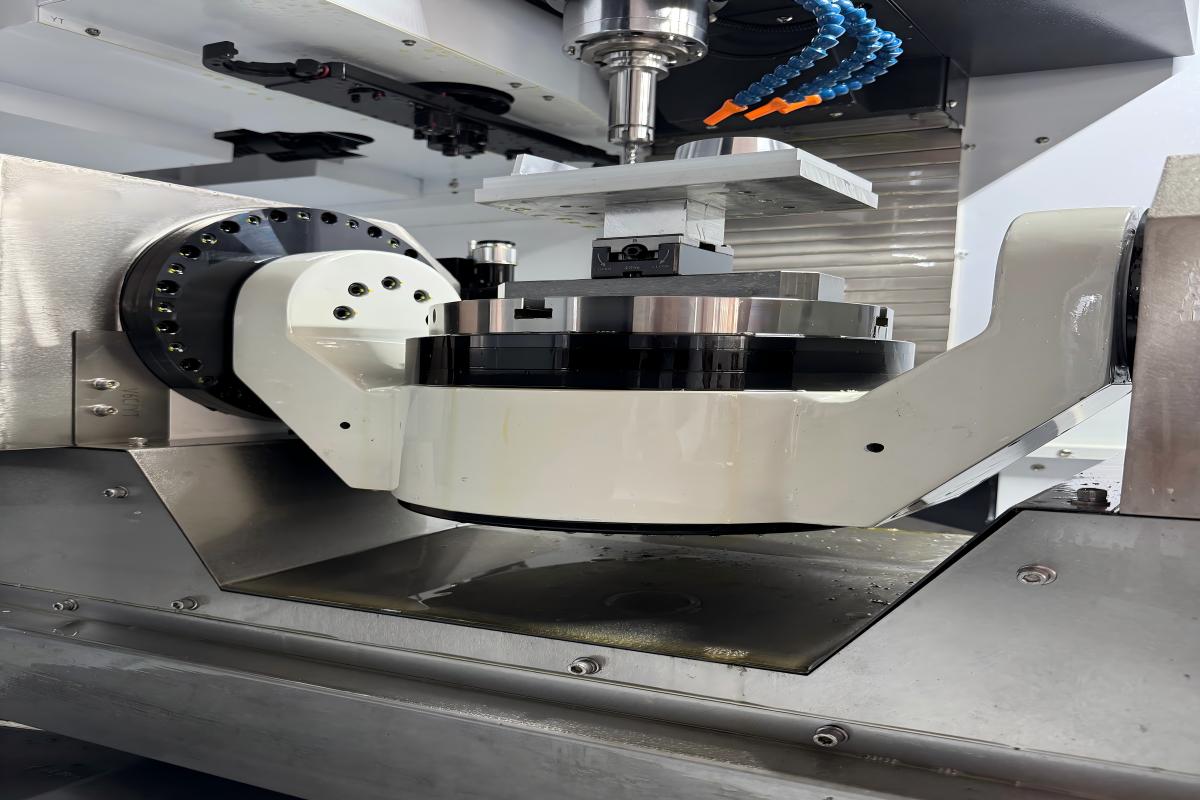
cnc machining solutions for medical get talked about a lot in conferences, but in the shop the real pain is different: inconsistent surface finish, tiny dimensional drift, and mysterious chatter that one operator blames on the machine and another blames on the program. I’ve seen medical parts rejected because a 0.02 mm tolerance was missed—the design calls it, but the setup ignored how an end mills load changes mid-cut. Look, it’s simpler than you think: the toolkit (fixtures, holders, spindle runout checks) often lags behind the CAM updates.
We also forget the human side. Operators inherit toolpath files with no notes. They guess feeds, speeds, and coolant tricks. This causes needless scrap and rework. From my view, three core technical gaps create the grief: poor toolpath verification, unclear tolerance maps, and weak fixture repeatability. Add a dash of bad data—outdated tool libraries, wrong cutting length—and you have a slow, costly loop. I don’t mean to be harsh; I’ve been there. But when you fix these, you cut cycle time and scrap. — funny how that works, right?
Forward View: New Principles and Practical Steps
What’s Next for Shops and Spec Teams?
I prefer to think in small experiments. Try one: pair a new CAM post-processor with a verified tool library for a week. You may be surprised. For broader change, the next wave is not just faster spindles; it is smarter feedback. Edge sensors on spindles, basic torque monitoring, and closed-loop tool-offset updates give immediate gains. When I pilot these, I watch toolpath errors drop and surface finish improve. And when teams link reports back to the setup sheet, knowledge grows. You can also explore cnc manufacturing solutions that tie machine logs to part quality—this is not magic, just steady data capture (and then acting on it).
Let me be clear: you don’t need full automation to see better yields. Start by tracking three things: spindle load trends, offset shifts, and tool wear per batch. Compare runs. Keep notes. The difference is big. Over time, you build a habit of learning from each part. The result is lower scrap, shorter lead time, and—this matters—less stress for the team.
Closing Guidance: How I Evaluate New CNC Options
I’ll leave you with three metrics I use when choosing or upgrading solutions. First, measure repeatability: can the system hit the same tolerance across five runs? Second, check traceability: does each part have linked setup data, tool numbers, and operator notes? Third, assess feedback loops: does the machine report spindle load, tool life, or offsets in a usable way? Use these, and you’ll see which vendors deliver real value and which sell shiny dashboards only.
We don’t have to guess. I’ve walked the floors, tested the setups, and seen simple changes cut rejection rates sharply. If you want a friendly nudge or a checklist to try in your shop, I’m happy to help. And if you’re curious about partners who bring both shop-floor know-how and system work—check Leichman: Leichman.
