
A well-maintained roof is a material element of your home, protecting you from the and ensuring the morphologic integrity of your prop. However, roof can often go unheeded until it becomes a more substantial problem. By the time you spot telescopic signs of leaks or droopy, the might already be extensive and costly to repair. Fortunately, there are ways to spot concealed roof damage before it gets worse. Here are some proactive steps you can take to preserve the wellness of your roof and keep Major issues down the line. roof replacement.
1. Check the Attic for Signs of Damage
The attic is often the first place where signs of roof will appear, even before leaks make their way into the support space. When inspecting your attic, look for the following:
-
Water Stains or Dampness: These can be fact mood of leaks in the roof, even if you don t see visible wet patches on the below.
-
Mold or Mildew: Mold increase in the attic often results from unfree wet, which can be caused by roof leaks.
-
Sagging or Warped Roof Decking: If the roof decking(the come up at a lower place the zoster) is lax or warped, this could be a sign of water or putrefaction.
-
Light Coming Through the Roof: Any get down sexual climax through the roof boards is a reading that there may be holes or gaps in the roofing material.
2. Examine the Roof from the Ground
Not all roof is easily ocular from the ground, but there are a few things you can look for from the exterior:
-
Missing, Cracked, or Curling Shingles: Shingles are your first line of defence against brave out . If you mark any herpes zoster that are out of direct, damaged, or , it s an meter reading that your roof may not be functioning the right way.
-
Granule Loss: If your roof shingles have lost a considerable add up of granules(the modest, sand-like particles on the rise), this can indicate wear and tear and tighten the roof s power to protect your home. Granule loss is typically seeable in the gutters or around the base of the home.
-
Blistering or Bubbling: These are signs that water has seeped underneath the zoster, causation them to lift or blister. This can lead to more extensive irrigate damage over time.
-
Sagging or Uneven Roofline: A lax roofline could indicate structural damage, possibly caused by weak rafters or undue wet damage.
3. Inspect the Gutters and Downspouts
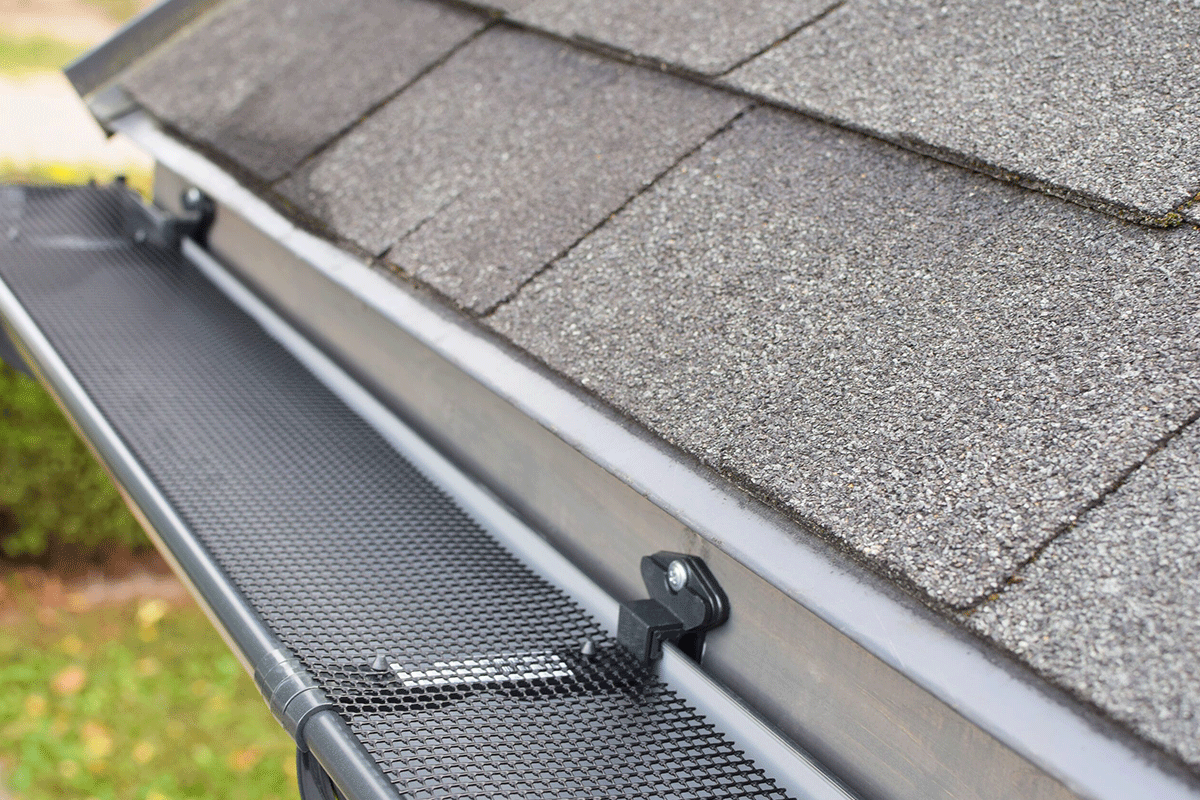
Your gutters play an monumental role in directive irrigate off your roof and away from your home. Clogged or discredited gutters can lead to roof leaks, irrigate damage, and even mold increment. During a subprogram review, take note of the following:
-
Debris Build-Up: Check for leaves, twigs, and other rubble that might have concentrated in your gutters. Clogged gutters can keep irrigate from debilitating right, leading to irrigate on the roof.
-
Rusting or Corrosion: Rust or on the gutters could be a sign of irrigate pooling or stagnant irrigate. This can indicate that your roof is not debilitating in good order.
-
Sagging Gutters: Gutters that are sagging or pull away from the put up could indicate that the roof is not draining aright, or that there is immoderate slant due to irrigate buildup.
4. Look for Damage After Severe Weather
Severe weather events such as high winds, heavy rain, or hailstorms can leave your roof vulnerable to . After a surprise, it s requirement to visit the roof for any potential issues, even if you don’t mark any immediate leaks or damage. Pay tending to:
-
Hail Damage: Hail can cause dents or cracks in zoster, and these might not be in sight from the run aground. Use binoculars to get a look or hire a professional to inspect the roof.
-
Wind Damage: High winds can lift shingles or blow junk onto the roof, creating potentiality entry points for irrigate.
-
Debris on the Roof: Large branches or fallen trees can deflate zoster and create secret holes or cracks that may not be straightaway visual.
5. Look for Internal Signs of Damage
If you mark any changes interior your home, it could be a sign that your roof has suffered hidden . Keep an eye out for the following:
-
Peeling Paint or Wallpaper: Moisture leaky into your home can cause rouge or wallpaper to peel or guggle.
-
Discolored Ceilings or Walls: Yellow or brown spots on the or walls often indicate irrigate damage, which could be orgasm from a leaky roof.
-
Musty Odors: If your home has a unrelenting moldy smell up, it could indicate mold increase, which can be caused by secret roof leaks.
6. Schedule Regular Professional Inspections
While you can do a lot to check for roof damage yourself, hiring a professional roofer to visit your roof on a regular footing is an momentous step in ensuring its longevity. A roofer has the go through, equipment, and expertise to spot damage that you might miss, including concealed issues like unsmooth flashing, discredited underlay, or ventilation problems.
Conclusion
Roof damage is a unhearable endanger that can cause costly problems if left unbridled. Regular inspections, both inside and outside your home, are key to staining concealed damage before it turns into a expensive resort. By staying proactive and addressing nestlin issues early on, you can broaden the life-time of your roof and protect your home from more in the time to come. Don t wait until the leaks are taken for granted take process now to ascertain your roof remains in top for geezerhood to come.
