
When parents think about newborn care, they often focus on feeding, sleep schedules, and safety equipment. One essential tool that quietly supports all of these is a baby monitor.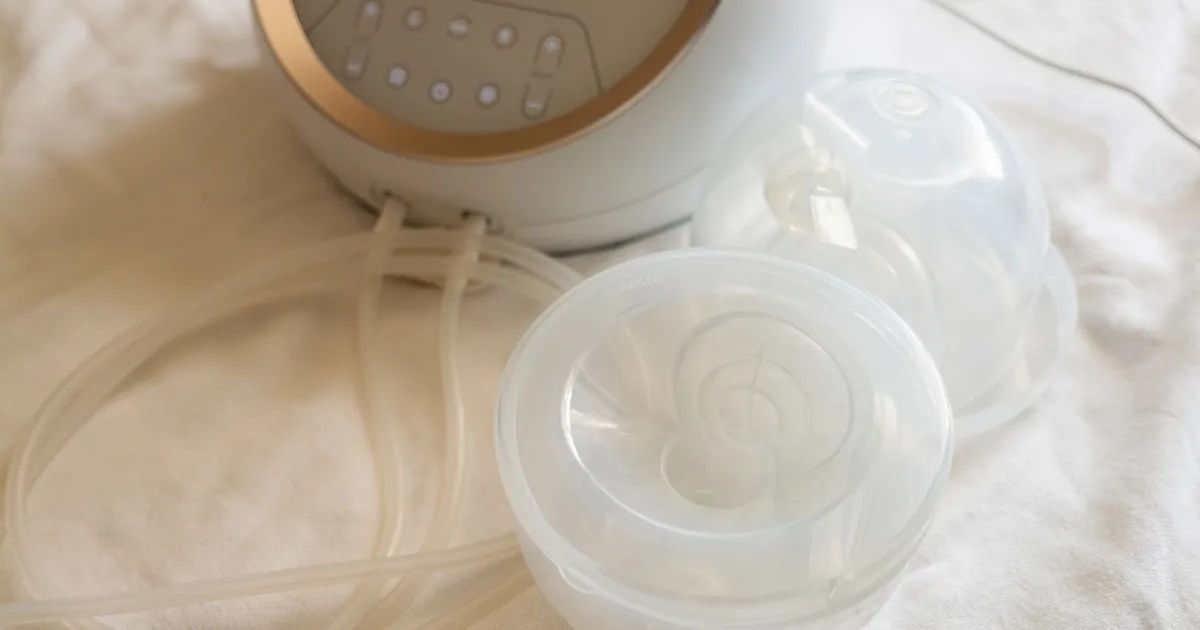
In fact, many modern parenting setups also include health-related tools like the Spectra S1 Pro Breast Pump, which already highlights how important reliable baby-care technology is in daily life.
Just like feeding equipment needs precision and comfort, a baby monitor needs excellent sound quality to ensure parents can hear every important moment clearly.Baby monitor sound quality is not just about hearing a baby cry. It is about detecting subtle changes in breathing, movement, and comfort.
In this comprehensive guide, we will explore why sound quality matters, what affects it, how to choose the best monitor, and how it improves safety and peace of mind.
Understanding Baby Monitor Sound Quality
Baby monitor sound quality refers to how clearly and accurately a monitor transmits audio from the baby’s room to the parent unit or smartphone. High-quality sound means you can hear soft breathing, light fussing, or small changes in the environment without distortion.
Many parents underestimate this feature at first, just like they sometimes underestimate the importance of reliable equipment such as the Spectra S1 Pro Breast Pump during feeding routines. However, once they experience poor audio quality, they quickly realize how essential clarity truly is.
Good sound quality includes:
- Clear voice transmission
- Minimal background noise
- Low distortion
- Fast audio delivery
- Stable connection
Each of these elements contributes to how well a parent can respond to their baby’s needs.
Why Sound Quality Matters in Baby Monitors
Sound is often the first signal a baby uses to communicate discomfort. Unlike video, audio alerts parents immediately without requiring them to look at a screen.
Early Detection of Needs
A high-quality monitor helps parents detect:
- Hunger cues
- Discomfort
- Irregular breathing
- Sleep disturbances
When sound quality is poor, these subtle signals may be missed. This is similar to how precision matters in parenting tools like the Spectra S1 Pro Breast Pump, where accuracy and consistency improve overall experience and results.
Reducing False Alarms
Low-quality audio often creates noise confusion, leading parents to believe the baby is awake or crying when they are not. Clear sound reduces unnecessary stress and interruptions.
Supporting Night-Time Monitoring
At night, visual monitoring is limited. Sound becomes the primary sense parents rely on. A clear audio feed ensures better sleep for parents while still maintaining awareness of the baby.
Emotional Reassurance
Hearing a baby’s soft breathing clearly provides emotional comfort. Parents feel more connected and confident in their caregiving.
The importance of clarity becomes even more noticeable when compared to everyday parenting tools like the Spectra S1 Pro Breast Pump, where reliability and smooth operation reduce stress and improve efficiency.
Key Features That Define Good Sound Quality
Not all baby monitors are created equal. Several technical and design features determine audio performance.
Microphone Sensitivity
High-quality monitors use sensitive microphones that can pick up:
- Soft whimpers
- Gentle movement sounds
- Breathing patterns
However, sensitivity must be balanced to avoid picking up unnecessary background noise.
Noise Reduction Technology
Noise filtering helps remove:
- Fan sounds
- Air conditioning hum
- Household background noise
Without this feature, audio can feel overwhelming or unclear.
Audio Compression Quality
Audio compression affects how sound is transmitted over digital systems. Poor compression leads to robotic or delayed audio, while high-quality compression maintains natural sound.
Latency (Delay Time)
Latency is the delay between the baby making a sound and the parent hearing it. Lower latency is better for real-time monitoring.
Signal Stability
Stable connections ensure consistent sound delivery without interruptions or dropouts.
These features work together much like how precision tools such as the Spectra S1 Pro Breast Pump rely on multiple systems working in harmony for best performance.
Types of Baby Monitor Audio Systems
Understanding the different types of baby monitors helps in evaluating sound quality.
Analog Audio Monitors
Analog monitors transmit sound through radio frequencies.
Pros:
- Simple to use
- Low cost
- Direct audio transmission
Cons:
- More interference
- Lower sound clarity
- Limited range
Digital Audio Monitors
Digital monitors convert sound into data for transmission.
Pros:
- Clearer sound
- Reduced interference
- Better range
Cons:
- Slight delay possible
- More expensive
Wi-Fi Enabled Smart Monitors
These connect to the internet and allow smartphone monitoring.
Pros:
- Remote access
- High-quality audio options
- Additional smart features
Cons:
- Dependent on internet connection
- Security considerations
Many modern parents choose smart systems while also investing in essential parenting tools like the Spectra S1 Pro Breast Pump, balancing technology across different caregiving needs.
Environmental Factors Affecting Sound Quality
Even the best baby monitor can be affected by environmental conditions.
Room Acoustics
Soft furnishings like curtains and carpets improve sound clarity, while empty rooms may create echo.
Distance Between Units
Greater distance can reduce sound quality, especially in older analog systems.
Household Noise
Common noises include:
- Fans
- TVs
- Kitchen appliances
Good monitors filter these effectively.
Interference from Other Devices
Wi-Fi routers and cordless phones can interfere with signals.
Understanding environment impact is as important as understanding how reliable parenting tools like the Spectra S1 Pro Breast Pump perform in different settings.
Safety Benefits of High-Quality Sound Monitoring
Sound quality directly affects infant safety.
Immediate Response to Distress
Clear audio allows parents to respond quickly to:
- Crying spells
- Choking sounds
- Sudden discomfort
Monitoring Sleep Patterns
Parents can identify irregular sleep behaviors early.
Supporting Newborn Health
Newborns require constant observation. Sound monitoring ensures continuous awareness even when parents are in another room.
Just as precision in feeding tools like the Spectra S1 Pro Breast Pump supports infant nutrition, clear audio supports infant safety and emotional care.
Common Problems with Poor Sound Quality
Low-quality baby monitors often cause frustration.
Static Noise
Interference creates crackling or buzzing sounds.
Delayed Audio
Parents hear sounds seconds after they occur, reducing response effectiveness.
Distorted Cry Sounds
Babies’ cries may sound unclear or robotic.
Frequent Signal Drops
Intermittent audio interrupts monitoring continuity.
These issues can make parenting more stressful, similar to how unreliable equipment like the Spectra S1 Pro Breast Pump would affect feeding routines.
How to Choose the Best Baby Monitor for Sound Quality
Choosing the right monitor requires attention to detail.
Check Audio Clarity Reviews
Always look for real-user feedback on sound performance.
Prioritize Digital Over Analog
Digital systems generally provide clearer sound.
Test Range Performance
Ensure the monitor works throughout your home.
Look for Adjustable Volume Settings
This helps customize listening comfort.
Evaluate Noise Filtering Features
Good noise reduction is essential for clear monitoring.
Parents often apply the same careful selection process when choosing essential tools like the Spectra S1 Pro Breast Pump, where reliability and performance are key.
Tips to Improve Baby Monitor Sound Quality
Even with a good monitor, you can improve performance.
Position the Monitor Correctly
Place it at an optimal distance from the baby’s crib.
Reduce Background Noise
Turn off unnecessary electronics in the baby’s room.
Maintain Device Updates
Smart monitors may require firmware updates.
Avoid Signal Obstructions
Keep the path between units clear when possible.
Use Proper Volume Settings
Too high volume can distort sound perception.
Consistent care and setup improvements ensure better results, just like maintaining devices such as the Spectra S1 Pro Breast Pump ensures long-term performance.
The Role of Sound Quality in Modern Parenting
Modern parenting is increasingly technology-driven. Parents rely on monitors not just for convenience but for emotional reassurance and safety.
High-quality sound helps:
- Reduce anxiety
- Improve sleep quality for parents
- Strengthen parent-child connection
- Support shared caregiving responsibilities
In many ways, baby monitors function alongside other essential tools like the Spectra S1 Pro Breast Pump, forming a complete system of support for new parents.
Future of Baby Monitor Sound Technology
Technology continues to improve rapidly.
AI Noise Filtering
Future monitors will better distinguish baby sounds from background noise.
Real-Time Voice Enhancement
Enhanced clarity will make soft sounds more noticeable.
Smart Alerts
Monitors may notify parents based on sound patterns.
Integration with Smart Homes
Baby monitors will connect with other home devices for automated responses.
As innovation grows, the reliability and clarity of systems will become as important as trusted parenting devices like the Spectra S1 Pro Breast Pump already are today.
Conclusion
Baby monitor sound quality plays a critical role in modern childcare. It affects safety, emotional comfort, and daily parenting efficiency. Clear and reliable audio allows parents to respond quickly to their baby’s needs and reduces unnecessary stress during both day and night.
From understanding microphone sensitivity to evaluating digital systems, every detail contributes to better monitoring. Environmental factors, device quality, and setup all influence how well a monitor performs. Choosing the right device and maintaining it properly ensures consistent results.
In today’s technology-driven parenting world, sound quality is not a luxury—it is a necessity. Just as essential parenting tools like the Spectra S1 Pro Breast Pump support feeding and routine care, a high-quality baby monitor ensures safety and peace of mind.
Ultimately, investing in strong audio performance means investing in better sleep, better awareness, and better care for your baby.
