
Animal coloring pages are more than just a fun activity for kids—they can be a powerful tool for improving attention, reducing distractions, and building mental discipline. 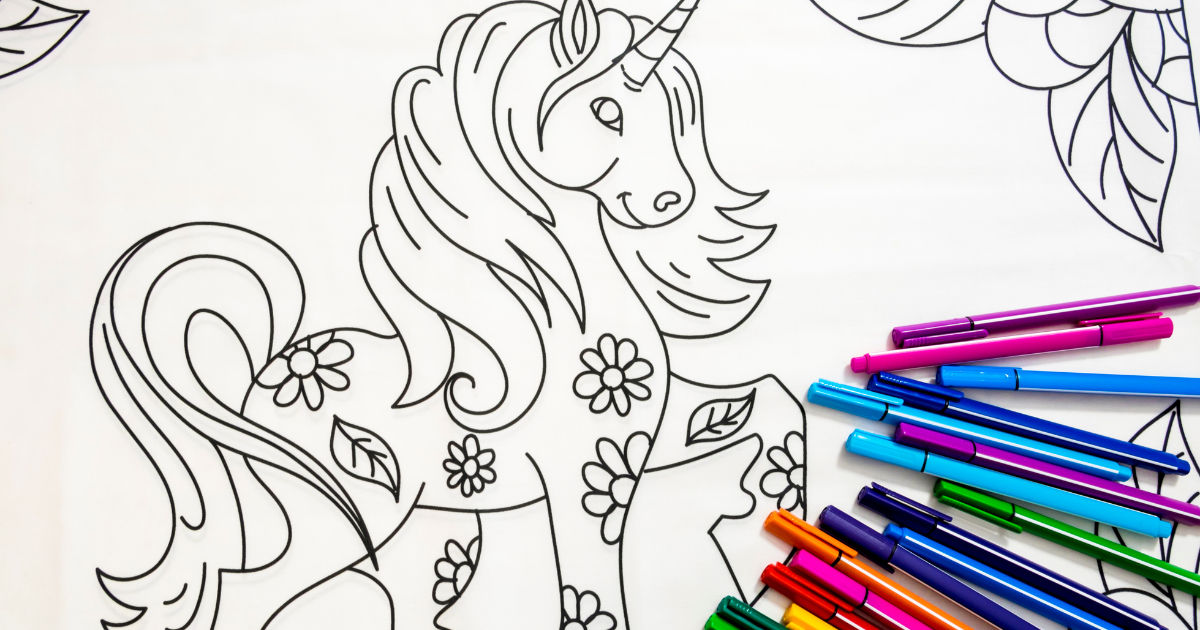 In classrooms, therapy sessions, and even homes, these simple visual worksheets are often used to help children slow down their thinking and strengthen focus skills. When used regularly, Animal coloring pages can support both learning and emotional balance in meaningful ways.
Focus and Why It Matters
Focus is the ability to concentrate on a task without getting distracted. For students in the 12th grade and below, this skill is essential for academic success. Whether it’s reading, solving math problems, or writing essays, attention control plays a major role in performance.
However, in today’s digital world, distractions are everywhere. Phones, games, and social media constantly compete for attention. This makes it even more important to develop activities that train the brain to stay engaged for longer periods.
This is where simple visual activities like coloring become valuable.
Why Coloring Works as a Focus Training Tool
Coloring might look like a basic childhood activity, but it actually involves several important cognitive processes at once:
- Visual attention
- Hand-eye coordination
- Decision-making
- Pattern recognition
- Fine motor control
When a student works on Animal coloring pages, they must decide which colors to use, stay within lines, and continuously monitor their progress. These actions require the brain to stay active and focused.
Unlike passive activities like watching videos, coloring demands participation, which naturally strengthens attention span.
The Role of Animal-Themed Designs in Engagement
Animal-themed drawings are especially effective because they are familiar and emotionally engaging. Students are naturally drawn to animals like lions, elephants, birds, and dolphins. These subjects spark curiosity and imagination.
When learners interact with Animal coloring pages, they are more likely to stay engaged longer because:
- Animals are relatable and interesting
- Shapes are easy to recognize
- Designs can range from simple to complex
- They encourage storytelling and creativity
This emotional connection helps sustain focus without feeling forced or stressful.
How Coloring Improves Brain Focus Mechanisms
The brain works in networks, and coloring activates multiple areas at once. When a student colors, the following mental systems are engaged:
Attention Control System
This system helps block distractions and keep attention on one task. Coloring requires sustained attention, especially when filling small sections.
Visual Processing System
The brain interprets shapes, outlines, and patterns. Animal coloring pages often contain detailed forms that require careful observation.
Motor Coordination System
Holding a pencil and staying within lines strengthens hand control and precision.
Reward System
Completing a colored page gives a sense of achievement, releasing dopamine, which reinforces positive learning behavior.
Together, these systems help improve overall concentration ability over time.
The Psychology of “Flow State” in Coloring
One of the most powerful effects of coloring is its ability to create a “flow state.” This is a mental condition where a person becomes fully absorbed in an activity.
In flow state:
- Time feels slower or faster than usual
- External distractions fade away
- The mind feels calm but alert
- Performance improves naturally
Simple Animal coloring pages are ideal for achieving this state because they are structured yet flexible. There is a clear task, but also freedom in color choices.
How Coloring Supports Emotional Regulation
Focus is not just about attention—it is also about emotional control. Stress, anxiety, and frustration can all reduce concentration.
Coloring helps calm the nervous system by:
- Slowing breathing patterns
- Reducing mental overload
- Providing a repetitive, soothing activity
- Offering a sense of control
When students feel calmer, their ability to focus improves automatically. That is why teachers and therapists often use Animal coloring pages as a relaxation tool during breaks or transitions.
Building Patience and Delayed Gratification
Modern learning environments often encourage fast responses. However, real learning requires patience.
Coloring teaches patience in a practical way:
- Completing a page takes time
- Mistakes require correction or adjustment
- Results are not instant
By working through Animal coloring pages, learners practice staying with a task until completion. This improves delayed gratification, which is linked to academic success and better decision-making.
How It Helps Children with Attention Challenges
For children who struggle with attention issues, structured coloring can be especially beneficial.
It helps them:
- Develop longer attention spans
- Reduce impulsive behavior
- Improve task completion rates
- Build confidence in finishing activities
Because Animal coloring pages are predictable and structured, they provide a safe environment where learners can practice focusing without pressure.
Enhancing Classroom Learning Through Coloring
Teachers often use coloring activities as part of lesson plans. It is not just a filler activity—it supports learning outcomes.
In classrooms, Animal coloring pages can be used to:
- Reinforce biology lessons (learning about animals)
- Improve vocabulary (naming animals and colors)
- Support creative writing (describing colored scenes)
- Provide calming breaks between lessons
This balance of learning and relaxation helps students stay more attentive during academic tasks.
Developing Fine Motor Skills for Better Focus
Fine motor skills refer to small muscle movements in the hands and fingers. These skills are closely connected to writing ability and concentration.
When students color:
- They control pencil pressure
- They refine grip strength
- They practice precision movements
- They improve spatial awareness
Over time, using Animal coloring pages helps strengthen these skills, which indirectly improves academic focus and writing fluency.
The Role of Routine in Building Attention Span
Consistency is key when developing focus skills. Coloring works best when it becomes a routine activity rather than a one-time task.
A simple routine might include:
- 15–20 minutes of coloring daily
- Using different animal themes each week
- Gradually increasing complexity of designs
Repeated exposure to Animal coloring pages helps train the brain to enter a focused state more quickly over time.
Digital vs. Paper Coloring for Focus
Both digital and paper coloring can improve attention, but they work differently.
Paper coloring:
- Reduces screen fatigue
- Encourages physical engagement
- Improves hand control
Digital coloring:
- Offers instant undo options
- Provides interactive tools
- May include animations
However, traditional Animal coloring pages on paper are often more effective for deep focus because they limit distractions and encourage slower, more mindful engagement.
Tips to Maximize Focus While Coloring
To get the most benefit from coloring activities, a few simple strategies can help:
Choose Simple to Moderate Designs
Start with less complex Animal coloring pages before moving to detailed ones.
Create a Quiet Environment
A calm space improves concentration and reduces distractions.
Use Limited Colors
Working with a smaller palette helps decision-making and focus.
Set Time Limits
Short, structured sessions (15–30 minutes) are more effective than long, unfocused ones.
Avoid Multitasking
Focus only on coloring to fully train attention skills.
Long-Term Benefits of Coloring for Focus Development
Over time, regular engagement with coloring can lead to noticeable improvements in cognitive abilities.
These include:
- Better sustained attention
- Improved academic performance
- Stronger memory retention
- Reduced distractibility
- Enhanced problem-solving skills
Simple Animal coloring pages may look basic, but their long-term impact on focus and learning is significant when used consistently.
Why This Activity Still Matters in Modern Education
Even with advanced educational technology, simple activities like coloring remain relevant. They provide balance in a fast-paced learning environment.
Unlike digital tools that often overstimulate the brain, coloring slows it down in a healthy way. This balance is essential for developing strong cognitive control in students.
That is why educators continue to include Animal coloring pages in early and middle education programs worldwide.
Conclusion
Focus is a skill that develops over time, not something that appears instantly. Simple, structured activities like coloring play an important role in building this skill naturally. Through repetition, engagement, and calm concentration, learners train their brains to stay on task for longer periods.
Animal coloring pages are especially effective because they combine creativity with structure. They keep the mind engaged while also promoting relaxation, patience, and emotional balance. Whether used at home or in school, they offer a simple yet powerful way to improve attention and support learning development.
In a world full of distractions, returning to basic, mindful activities like coloring can make a real difference in how well students think, learn, and focus every day.