
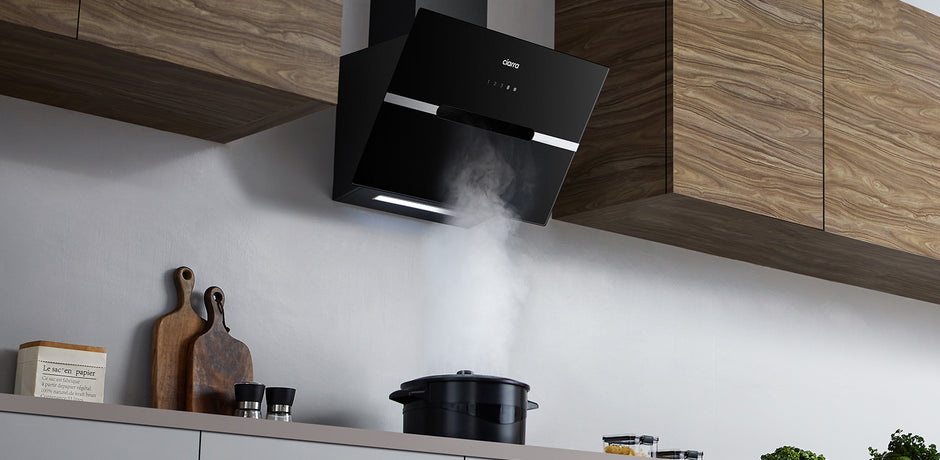
For decades, the cooker hood has been a passive appliance, a simple fan in a box tasked with banishing smoke and smells. But in 2024, a quiet revolution is underway in kitchen ventilation. The latest generation of intelligent cooker hoods is evolving from mere extractors into proactive health sentinels, monitoring air quality, managing energy, and even safeguarding our well-being. Recent data from the Home Appliance Innovation Index shows a 47% year-on-year increase in sales of “smart-connected” ventilation units, signaling a profound shift in consumer priorities towards holistic home health.
The Invisible Threat and the Digital Nose
The primary battleground is no longer visible grease but invisible pollutants. Cooking releases fine particulate matter (PM2.5), nitrogen dioxide (NO2), and volatile organic compounds (VOCs) at levels that can rival a polluted city street. Modern hoods now integrate laser-based particle sensors and electrochemical gas detectors. These “digital noses” provide real-time air quality readouts, often displayed on the hood itself or via a smartphone app, and can automatically adjust fan speed to neutralize threats before they spread throughout the home.
- Real-Time AQI Display: Live Air Quality Index readings transform the hood into an environmental dashboard.
- Auto-Detect Mode: Sensors trigger high-power extraction upon detecting smoke or dangerous VOC spikes.
- Post-Cooking Purge: The hood continues to run at a low, quiet level after cooking stops to clear residual pollutants.
Case Study 1: The Asthma-Aware Kitchen in Berlin
The Müller family retrofitted their kitchen with a sensor-driven hood. For their son, who has asthma, the hood’s app provides alerts when PM2.5 levels rise during high-heat searing. This data allowed them to correlate his minor respiratory irritations with specific cooking methods, leading them to adapt their techniques and use the hood’s “allergy mode,” which runs a prolonged, gentle extraction cycle.
Case Study 2: The Energy-Conscious Smart Home in Stockholm
In a fully integrated smart home, the 90cm cooker hood communicates with other systems. Here, the hood’s extraction rate is factored into the home’s balanced ventilation system. When the hood activates, it signals the HVAC system to slightly increase fresh air supply elsewhere to prevent back-drafting, maintaining energy efficiency without compromising air quality—a seamless dance of machinery previously unimaginable.
Case Study 3: The Culinary Studio’s Quiet Power in Tokyo
A high-end cooking studio faced a dilemma: powerful extraction that didn’t drown out instructor commentary. Their solution was a hood with ultra-quiet, high-torque motors and a unique “baffle” filter design that reduces high-frequency noise. The studio now records crystal-clear audio directly under the hood, proving that supreme performance and acoustic comfort can coexist.
The Future: From Sentinel to System
The trajectory is clear. The cooker hood is becoming the central nervous system of the kitchen’s atmospheric health. Future iterations may integrate with wearables, adjusting the kitchen environment based on a resident’s biometric data, or use AI to learn cooking schedules and pre-emptively manage air quality. It’s no longer just about what’s cooking, but how the kitchen itself is caring for its occupants. The elegant cooker hood has found its higher purpose: not as a noisy necessity, but as a silent guardian of the air we breathe.