
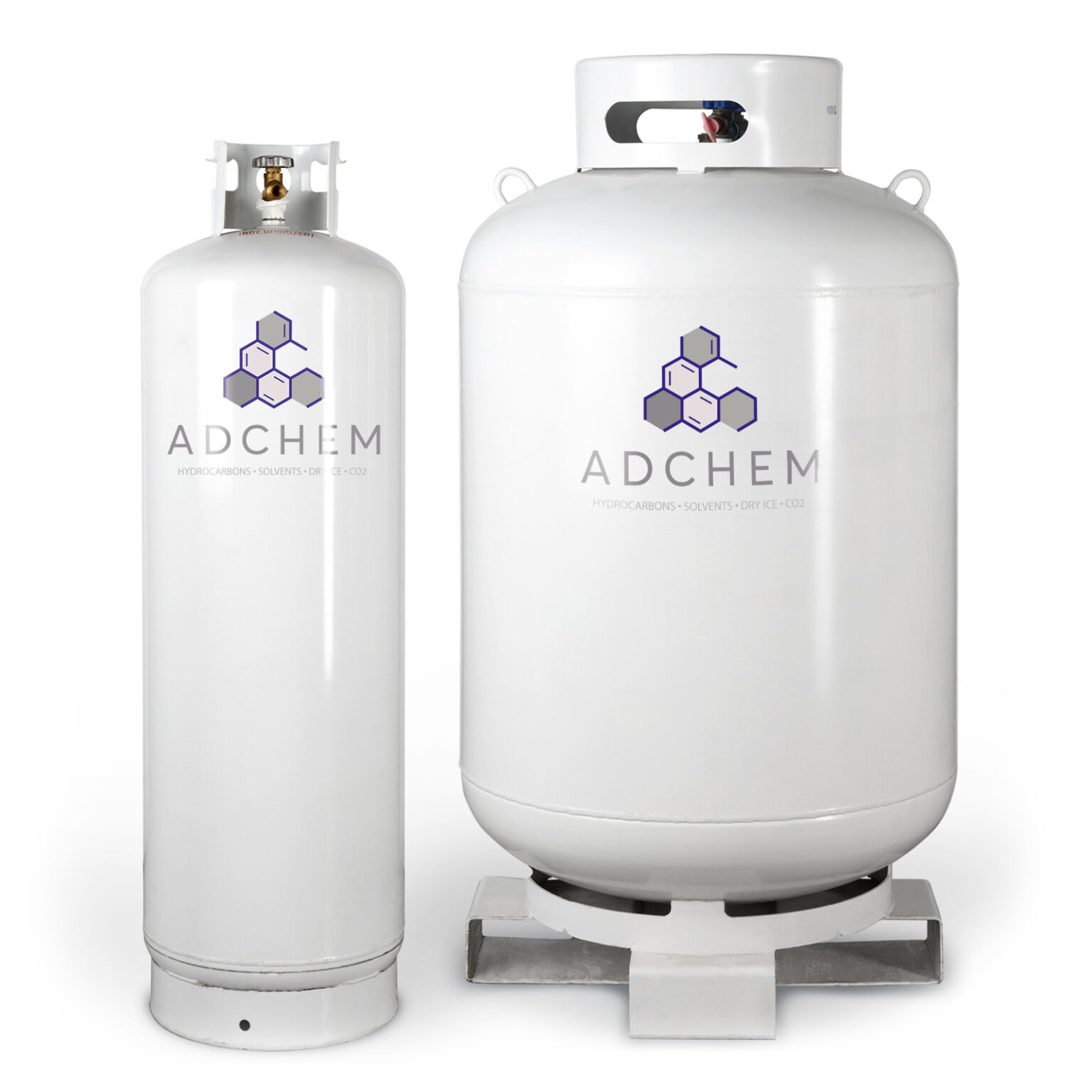
Electric Gets The Headlines, But Propane Still Runs Most Shifts
Everyone in warehouse operations seems to be talking about switching entire forklift fleets over to electric, and it’s easy to understand the appeal on paper. No fuel purchases, lower emissions, and a narrative that fits neatly into most companies’ sustainability messaging these days. But ask a facility manager actually running three shifts a day with tight turnaround windows, and they’ll tell you propane still wins decisively on uptime, which is the metric that matters most when a shipment deadline doesn’t care about your equipment’s charging schedule.
The appeal of propane comes down to a simple operational fact: there’s no charging downtime and no battery swap schedule to plan around. A propane cylinder change takes a few minutes and the forklift is immediately back to full operating capacity, compared to an electric unit that either needs hours on a charger or a battery swap process that, while faster than a full charge, still introduces a coordination step that a propane changeover simply doesn’t require.
The Compliance Learning Curve
The tradeoff, and it’s a real one worth taking seriously, is storage and handling compliance, which trips up smaller facilities that haven’t previously dealt with compressed gas storage requirements and end up scrambling to get compliant only after an inspection flags something they didn’t know was a problem. Propane cylinder storage has specific requirements around ventilation, distance from ignition sources, and quantity limits that vary somewhat by local fire code, and a facility manager coming from an all-electric background can genuinely be caught off guard by how much more regulatory attention compressed gas storage attracts compared to battery charging infrastructure.
A warehouse manager in Ontario, California told me the biggest operational change wasn’t really about the forklifts themselves, which functionally work about the same regardless of power source from an operator’s perspective. It was training staff to swap propane cylinders safely and consistently, and keeping enough cylinders on hand that a delivery delay from their gas supplier doesn’t stall the entire warehouse floor during a peak shipping week when every minute of downtime compounds into missed shipment deadlines.
Training Takes Longer Than the Equipment Change
The training took longer than expected, mostly because roughly half his crew had never personally handled a compressed gas cylinder before switching over from an all-electric fleet at their previous facility, or had only handled small consumer propane tanks for a home grill rather than the industrial cylinders used in warehouse forklifts. Basic safety habits that seem obvious to someone with compressed gas experience, like always transporting cylinders upright and checking valve connections before every shift, needed to be explicitly taught rather than assumed.
He built out a simple one-page checklist that gets posted near the cylinder storage area, covering proper handling, valve checks, and what to do if a cylinder shows any sign of damage. It’s a low-tech solution to what could otherwise be a genuinely serious safety gap, and he credits it with getting his team fully comfortable within about a month of the transition rather than the longer adjustment period he’d initially budgeted for.
Weighing Electric Against Propane for a Real Fleet Decision
For facility managers actually weighing the decision between electric and propane rather than just following industry trend pieces, the honest answer depends heavily on shift patterns and how much downtime tolerance an operation actually has. A single-shift warehouse with predictable, moderate volume might genuinely be a great fit for electric, where overnight charging lines up naturally with an empty warehouse and there’s no urgency around a battery swap mid-day.
A three-shift operation running close to continuously, on the other hand, has much less margin for the charging downtime electric forklifts require, which is exactly why propane remains the default choice for a lot of high-volume, round-the-clock warehouse operations despite all the attention electric fleets get in industry publications and sustainability reporting. The right answer genuinely varies by facility, and the managers who’ve made the switch successfully in either direction tend to be the ones who honestly assessed their actual shift patterns and downtime tolerance before committing, rather than choosing based on which option sounded more forward-looking in a boardroom presentation.
A Hybrid Approach Worth Considering
A few larger facilities have started running a hybrid fleet rather than committing entirely to one power source, and the operations manager at one Inland Empire distribution center walked through the reasoning behind that choice. Their facility keeps a mostly electric fleet for the single day shift, where charging overnight lines up naturally with the warehouse sitting empty, but maintains a smaller set of propane units specifically reserved for their overnight and weekend shifts, when charging infrastructure would otherwise sit idle and unhelpful during the exact hours they need equipment running continuously.
The hybrid approach costs more upfront than committing fully to either single power source, since it means maintaining two separate types of equipment, two different training programs, and two different maintenance and compliance regimes running in parallel. But it let them capture the emissions and operating cost benefits of electric where the shift pattern genuinely supports it, without accepting the downtime risk of electric during the shifts where that risk actually matters most for their specific operation.
He was candid that this approach isn’t right for every facility, and specifically cautioned smaller operations against copying it without a genuinely compelling shift-pattern reason, since the added administrative complexity of running two parallel fleet types isn’t worth it unless a facility’s shift patterns are distinct enough to actually benefit from having both power sources available for the right circumstances.
