
Leather coats are often purchased as long-term wardrobe pieces, but not every leather coat will age in the same way. Some remain attractive for many years, while others become dry, cracked, faded, or misshapen much sooner than expected. 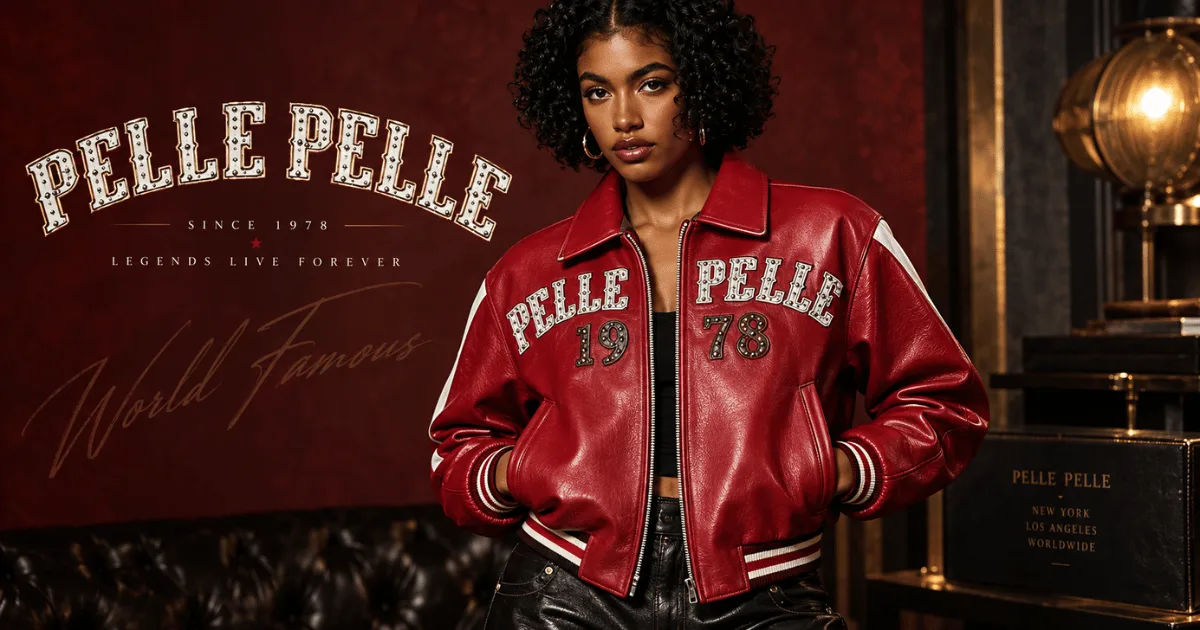 Understanding what affects leather coat durability helps you make better choices when buying, wearing, and maintaining one. A well-made coat can become more comfortable with age while still retaining its structure and appearance.
The quality of the leather is one of the biggest factors. However, durability also depends on tanning, construction, stitching, lining, hardware, fit, storage, cleaning, moisture exposure, sunlight, and everyday use. Even premium leather can deteriorate when it is neglected. At the same time, a moderately priced coat can last surprisingly well when it receives proper care. For shoppers comparing options at Pelle Pelle Store, understanding these factors makes it easier to judge whether a coat is built for occasional wear or years of regular use.
Leather Quality and Durability
Full-Grain Leather
Full-grain leather generally offers excellent durability because it retains the natural outer layer of the hide. This surface contains dense fibers that provide strength and resistance to normal wear.
Because the surface is less heavily corrected, full-grain leather may show natural marks, variations, and changes over time. These characteristics are not necessarily defects. In many cases, they are signs of genuine leather with a natural surface.
A full-grain coat can develop a distinctive patina as it ages. With proper care, this aging can make the garment look more characterful rather than worn out.
Top-Grain Leather
Top-grain leather is also a strong choice for coats. Its surface may be lightly corrected or refined to create a more consistent appearance.
It generally provides a balance between durability, softness, and appearance. For people who want a polished leather coat that can handle regular use, top-grain leather can be a practical option.
Corrected and Bonded Leather
Corrected leather may undergo more surface treatment to remove visible imperfections. Its durability can vary significantly depending on the manufacturing process.
Bonded leather is made using leather fibers combined with binding materials. Although it can provide an affordable leather-like appearance, it generally does not offer the same long-term performance as high-quality natural leather.
When evaluating a coat from Pelle Pelle Store, looking beyond the word "leather" is important. The specific leather type, construction quality, and finishing process tell you much more about expected longevity.
The Tanning Process
Tanning has a major influence on how leather behaves over time. It transforms animal hide into a stable material that can be used for clothing.
Different tanning methods produce different characteristics. Some leathers are designed to be soft and flexible, while others are finished for greater structure or resistance to environmental exposure.
Vegetable-tanned leather can develop a noticeable patina as it ages. Chrome-tanned leather is widely used because it can produce soft, flexible, and consistently colored material.
The tanning process affects resistance to moisture, flexibility, surface appearance, and aging. Poorly processed leather may become stiff or fragile, even if it initially looks attractive.
This is why leather durability cannot be judged simply by thickness. Processing quality matters just as much as the physical weight of the material.
Leather Thickness
Thickness influences how a leather coat handles physical stress.
A thicker hide can generally resist abrasion and stretching better than an extremely thin material. However, thicker does not automatically mean better.
A coat that is excessively heavy may be uncomfortable for everyday use. Thin leather can also be highly durable when it is produced from a strong hide and constructed properly.
The ideal thickness depends on the intended use. A motorcycle-style coat may benefit from substantial leather, while a lightweight fashion coat may deliberately use thinner leather for flexibility.
A good coat balances strength, comfort, movement, and appearance rather than maximizing thickness alone.
Stitching and Construction Quality
Seam Strength
The leather itself may be excellent, but weak seams can still shorten the life of a coat.
Areas such as the shoulders, armholes, pockets, cuffs, and side seams experience frequent movement. Poor stitching can loosen or break in these locations.
Strong, even stitching helps distribute stress across the garment. Reinforced areas are especially valuable when the coat is designed for frequent wear.
Thread Quality
Thread plays a surprisingly important role. Strong thread helps maintain seam integrity when the leather stretches during normal movement.
Loose stitches, uneven spacing, or excessive thread tension can indicate poor construction. When examining a coat, inspect seams closely rather than focusing only on its exterior appearance.
At Pelle Pelle Store, shoppers interested in long-term wear should consider construction details alongside leather quality. A beautiful exterior is not enough if the underlying garment is poorly assembled.
Lining Quality
The lining does more than make a coat comfortable. It also contributes to how well the garment performs over time.
A durable lining helps reduce friction between the leather and clothing underneath. This can reduce stress on the interior surface.
Weak lining fabric may tear around the sleeves, pockets, or back before the leather itself begins showing serious damage.
A well-designed lining should also allow reasonable movement without pulling excessively on the leather. When a lining is too tight, it can place additional stress on seams.
For this reason, coat durability should be evaluated as a complete system rather than by leather quality alone.
Hardware and Accessories
Zippers, buttons, snaps, buckles, and other hardware can affect the practical lifespan of a leather coat.
A high-quality zipper should move smoothly without repeatedly catching the leather. Metal snaps should hold securely without requiring excessive force.
Hardware can also affect the appearance of an older coat. Tarnished or damaged components may make an otherwise strong garment look neglected.
When purchasing a coat from Pelle Pelle Store, inspect zippers and closures carefully. These small components receive repeated use, so their quality matters over the long term.
Frequency of Wear
How often you wear a leather coat naturally affects its lifespan.
A coat worn several times every week experiences more friction, stretching, bending, moisture exposure, and environmental contact than one worn occasionally.
Frequent wear does not necessarily mean the coat will fail quickly. Quality leather can handle substantial use. However, regular wear makes maintenance more important.
Rotating between different outerwear pieces can reduce stress on any single coat. Allowing leather to rest between wears also gives moisture from normal body contact time to evaporate.
Exposure to Sunlight
Direct sunlight can gradually affect leather color and finish.
Extended exposure to strong ultraviolet radiation may cause fading, discoloration, or changes in the surface finish. Dark leather can lose some of its richness, while lighter leather may develop uneven color.
Leaving a leather coat beside a sunny window for months can therefore be damaging, even when the garment is not being worn.
Store your coat in a shaded location away from prolonged direct sunlight. This simple habit can help preserve its original appearance.
Moisture and Water Exposure
Leather is not completely waterproof. Rain, spills, humidity, and repeated exposure to moisture can affect its condition.
A small amount of moisture does not automatically ruin a quality leather coat. The problem often comes from prolonged soaking or improper drying.
If a coat becomes wet, allow it to dry naturally at room temperature. Do not place it directly against a radiator or use intense heat to speed up the process.
High heat can remove natural oils and cause leather to become stiff or brittle. Once the leather has dried naturally, appropriate conditioning may help restore flexibility.
This is one of the most important habits for anyone who wants Pelle Pelle Store outerwear to remain attractive for years.
Humidity and Climate
Climate can have a significant effect on leather durability.
Very dry environments may cause leather to lose moisture and natural oils. Over time, this can contribute to stiffness and cracking.
High humidity creates a different concern. Persistent damp conditions can encourage mildew, particularly when leather is stored in poorly ventilated areas.
Leather should be stored somewhere cool, dry, and reasonably ventilated. Avoid sealed plastic bags for long-term storage because trapped moisture can create problems.
In humid climates, good airflow is especially important. A breathable garment cover is usually more suitable than an airtight container.
Temperature and Heat
Extreme temperatures can damage leather.
Direct heat can dry out the material and affect its finish. Repeated exposure to high temperatures can make leather less flexible.
Very cold conditions can also make leather temporarily stiffer. If a coat has been stored somewhere cold, allow it to return gradually to room temperature before bending or manipulating it extensively.
Keeping leather away from heaters, fireplaces, hot car interiors, and other intense heat sources is a simple way to protect it.
Cleaning Practices
Cleaning is necessary, but improper cleaning can reduce durability.
Leather should not automatically be treated like ordinary fabric. Many household detergents contain chemicals that can strip oils or damage the finish.
Use products specifically designed for the particular type of leather. Before applying anything to the entire coat, testing it on a discreet area is a sensible precaution.
Professional leather cleaning may be appropriate when the coat has significant staining or requires specialized treatment.
Avoid aggressive scrubbing. Excessive friction can damage the finish even when the stain itself is removed.
Conditioning and Natural Oils
Leather benefits from maintaining an appropriate level of flexibility.
Conditioners can help prevent excessive dryness by replenishing some of the material's lost oils. However, more conditioner is not necessarily better.
Over-conditioning can make leather greasy, soften it excessively, or alter its appearance. The correct product and frequency depend on the leather type and finish.
Always follow the manufacturer's care instructions when available. A premium coat deserves products that are compatible with its specific material.
This is especially relevant when caring for a coat purchased from Pelle Pelle Store, because different leather finishes may require different maintenance approaches.
Storage Practices
Proper storage can dramatically influence long-term durability.
Use a broad, sturdy hanger that supports the shoulders. Thin wire hangers can create pressure points and may distort the shape of a heavy leather garment.
Give the coat enough space in the wardrobe. Crowding it between other garments can create unnecessary creases and restrict airflow.
Avoid folding a leather coat for extended periods when possible. Persistent folds can become difficult to remove and may eventually affect the surface.
During warmer months, clean the coat appropriately before storing it. Make sure it is completely dry before placing it in its storage area.
Fit and Physical Stress
The way a coat fits can affect how long it lasts.
A coat that is too tight places constant tension on the shoulders, chest, sleeves, and seams. Repeated movement under excessive tension can accelerate stretching and seam damage.
An excessively oversized coat can also experience unnecessary friction and folding.
The ideal fit allows comfortable movement without pulling across the body. You should be able to move your arms naturally while the shoulders remain properly positioned.
A good fit therefore contributes not only to appearance but also to durability.
Everyday Friction
Friction is one of the quiet causes of leather wear.
Seat belts, backpacks, rough furniture, sharp accessories, and repeated contact with other surfaces can gradually affect the leather finish.
Pockets are another common stress point. Overloading them can stretch the leather and place strain on stitching.
If you regularly carry a backpack, pay attention to where its straps contact the coat. Repeated rubbing in exactly the same location can eventually create visible wear.
Small changes in everyday habits can therefore extend the practical life of Pelle Pelle Store leather outerwear.
Quality of the Original Finish
Leather finishes affect both appearance and resistance to wear.
Some coats have smooth, polished finishes, while others use distressed, waxed, textured, or specialty finishes. Each can respond differently to abrasion, moisture, and cleaning.
A heavily treated finish may initially provide a consistent appearance, but damage to that surface can become noticeable if the finish is difficult to repair.
Natural-looking finishes often age differently. Scratches and color changes may become part of the garment's character.
Understanding the intended appearance of the leather helps you judge whether signs of aging represent damage or simply normal development.
Signs of a Durable Leather Coat
When shopping, look for several signs rather than relying on one feature.
The leather should feel substantial without being unnecessarily stiff. Seams should be even and secure. The shoulders should sit correctly, while zippers and snaps should operate smoothly.
Check pocket openings, cuffs, collar seams, and areas around hardware. These locations often reveal construction quality more clearly than the main body of the coat.
A consistent lining and properly finished edges are also positive signs.
A coat that combines quality leather, strong construction, reliable hardware, and a sensible fit is much more likely to withstand years of use.
Common Mistakes That Reduce Durability
Several habits can shorten the life of leather outerwear.
One common mistake is using ordinary detergent or household cleaning products. Another is drying wet leather with direct heat.
Storing leather in damp conditions is another problem. So is leaving it in intense sunlight for extended periods.
Overloading pockets, hanging heavy coats on weak hangers, and ignoring small seam problems can also contribute to long-term damage.
Small repairs should not automatically be postponed. A loose stitch is easier to repair before it develops into a larger seam failure.
Regular inspection is therefore one of the simplest forms of preventative maintenance.
How Long Can a Leather Coat Last?
There is no universal lifespan for every leather coat.
A low-quality garment may show significant deterioration after only a few years, particularly with heavy use and poor maintenance.
A well-made leather coat can potentially remain wearable for many years and, in some cases, decades. Its lifespan depends on the leather, construction, frequency of use, environment, and care routine.
Aging is also not necessarily a negative thing. Quality leather can develop patina, subtle color variation, and softened texture that make the garment increasingly personal.
The goal should not be to keep leather looking exactly new forever. The goal is to keep it structurally sound, comfortable, and attractive as it ages.
Building a Simple Leather Care Routine
A practical routine does not need to be complicated.
Inspect your coat periodically for stains, scratches, loose threads, and hardware problems. Clean minor dirt using an appropriate leather-care method.
Condition the leather when it begins showing signs of dryness, but avoid excessive product use.
After wearing the coat in rain, let it dry naturally. Store it on a strong hanger in a cool, ventilated place.
Keep it away from direct sunlight and excessive heat. If significant damage appears, consider professional repair rather than attempting an aggressive home solution.
These basic habits can make a major difference over the lifetime of Pelle Pelle Store leather garments.
Conclusion
Leather coat durability depends on much more than the material's appearance when you first buy it. Leather quality provides the foundation, but tanning, thickness, stitching, lining, hardware, fit, finishing, and manufacturing standards all influence how the coat performs over time.
Daily habits matter just as much. Excessive moisture, direct sunlight, heat, friction, poor storage, unsuitable cleaning products, and neglect can shorten the life of even a high-quality garment.
On the other hand, sensible care can help leather remain flexible, attractive, and structurally strong for many years. Choosing a properly constructed coat, storing it correctly, responding quickly to small problems, and using suitable cleaning and conditioning products are all practical ways to protect your investment.
When evaluating Pelle Pelle Store leather coats or any other leather outerwear, think about the complete garment rather than focusing only on color or design. A durable coat should combine good leather with strong construction, dependable hardware, a quality lining, and a comfortable fit.
Ultimately, the best leather coat is one that suits your lifestyle and can withstand the way you actually intend to use it. With informed purchasing and consistent care, leather can age gracefully rather than simply deteriorate. That combination of quality and maintenance is what turns a leather coat from a seasonal fashion purchase into a dependable wardrobe piece that can remain useful and stylish for years.
