
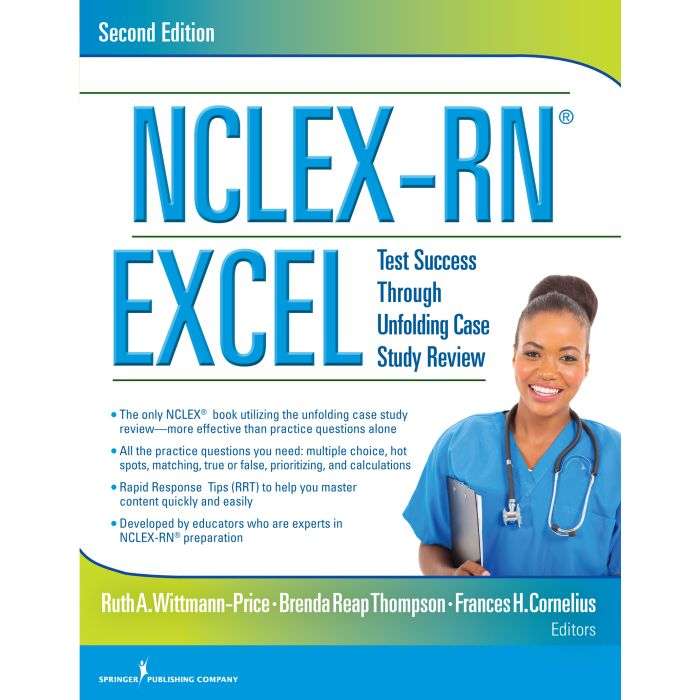
Choosing a career in nursing can be implausibly rewarding, but it also requires probative decisions about the path you want to take. Two green routes are becoming a Registered Nurse(RN) or a Licensed Practical Nurse(LPN). Both roles are essential in healthcare, but they differ in responsibilities, education, telescope of practice, and career opportunities. Understanding these differences, especially the distinctions between the NCLEX RN and Nclex exam questions LPN exams, is material to deciding which breast feeding path is right for you.
The NCLEX, or National Council Licensure Examination, is the standardised test that nursing graduates must pass to become authorised to practice. The NCLEX-RN is premeditated for those pursuing a Registered Nurse license, while the NCLEX-PN is for those quest to become Licensed Practical Nurses. Both exams assess the cognition, skills, and abilities requisite for safe and operational nursing practice, but the scope and of the vary importantly between the two.
Registered Nurses(RNs) typically have more education than LPNs, often holding an Associate Degree in Nursing(ADN) or a Bachelor of Science in Nursing(BSN). This additional education prepares RNs to execute a broader range of objective duties, including vital cerebration, affected role assessments, developing breast feeding care plans, and administering a wider variety show of medications. As a result, the NCLEX-RN exam tests for a higher rase of nonsubjective sagaciousness and breast feeding knowledge.
Licensed Practical Nurses, on the other hand, usually complete a one-year sheepskin or certificate programme. Their grooming focuses more on providing staple nursing care under the superintendence of RNs or physicians. The NCLEX-PN exam reflects this by concentrating on fundamental frequency nursing skills such as monitoring affected role wellness, providing basic treatments, and assisting with livelihood activities. LPNs often work in settings like breast feeding homes, long-term care facilities, or clinics, providing requisite support in patient care.
One of the biggest factors in choosing between the NCLEX-RN and NCLEX-PN routes is the scope of practice. RNs have a broader scope, which means they can take on more responsibilities and have more self-sufficiency in objective decision-making. This can interpret to more various job opportunities, including technical areas like pedology, oncology, vital care, or breast feeding. LPNs, while life-sustaining to affected role care, in the main have a more limited telescope and often sharpen on subprogram care and monitoring.
Career promotion is another consideration. Passing the NCLEX-RN opens doors to further breeding and professional growth. Many RNs quest after sophisticated degrees such as a Master s or Doctorate in Nursing, which can lead to roles in nursing training, management, or specialized objective rehearse like nurse practitioner or nurse anesthetist. LPNs can also advance their careers by becoming RNs through bridge programs, but their first acquisition requirements and scope of practise are more restricted.
Salary differences between RNs and LPNs often shine the distinctions in training and responsibilities. Registered Nurses typically earn higher salaries due to their sophisticated skills and broader scope of practise. According to Holocene epoch labour statistics, the median yearly wage for RNs is importantly higher than that for LPNs, making the RN route more financially attractive in the long term.
The NCLEX exams themselves differ in initialize and difficulty. The NCLEX-RN exam is more comprehensive, a wide straddle of nursing concepts from wellness packaging to materia medica, and patient role care scenarios. It requires warm critical thought and -making skills. The NCLEX-PN exam, while still challenging, focuses on foundational nursing noesis and staple objective skills, making it more available to those with shorter acquisition programs.
For individuals who want to enter the nursing arena speedily, the LPN road can be sympathetic because it requires less school and offers a quicker path to work. However, those who aim for a more talkative role in health care, with greater responsibility and opportunity for furtherance, often find the RN path more proper.
Personal preferences and career goals play a material role in decision making between the two paths. Some people prefer place, work force-on patient care in settings like nursing homes or clinics, which aligns well with LPN roles. Others desire to work in hospitals or specialized checkup units where RNs are the primary caregivers. The tear down of responsibleness, the type of work environment, and long-term aspirations should all factor out into the .
Another realistic thoughtfulness is the job commercialise in your area. In some regions, there is a higher demand for RNs due to the complexity of healthcare needs, while in others, LPNs remain life-sustaining for providing requisite care. Researching local work trends, wage ranges, and increment opportunities can help you make an conversant option.
Both NCLEX exams require thorough preparation and inscription. There are numerous study resources, prep courses, and practise tests available for each. Success on either exam Marks a substantial milepost in a breast feeding and opens the door to serving patients and communities with competency and pity.
In conclusion, the selection between the NCLEX RN and NCLEX LPN paths depends on your educational preferences, ambitions, craved telescope of practise, and life style goals. Registered Nurses have a broader scope, high earning potentiality, and more opportunities for furtherance, but want more schooling and grooming. Licensed Practical Nurses record the hands more apace, providing first harmonic care and subscribe, with the selection to bridge to RN status later. Understanding these differences will endow you to take the nursing path that best aligns with your passion and vision for your time to come in healthcare.